How shared households stop paying twice for the same subscription
Couples, families and share houses quietly pay for the same subscriptions twice. Here's a simple 3-step system to catch duplicates and stop the waste.
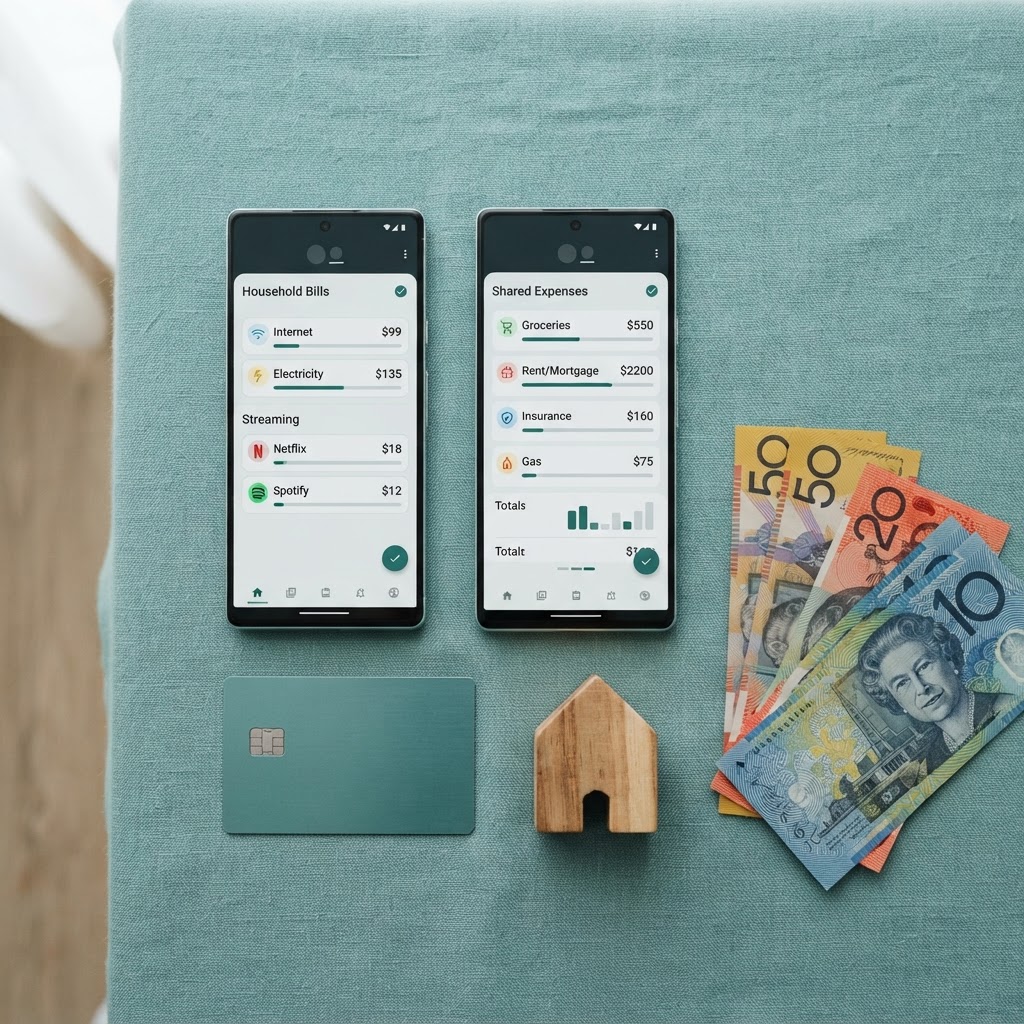
Here's a quiet money leak most households never notice: two people paying for the same subscription.
It happens more than you'd think. One partner signs up for Netflix, the other already has an account. A free trial converts to paid and nobody cancels the original. Someone cancels a streaming service, and a week later their housemate re-subscribes because they didn't know it was gone. In a share house, it's even worse — three or four people, each with their own card, and nobody has the full list.
The result is the same every time: you pay twice for something one of you already has, and neither of you notices because the charge is small and buried in a statement.
A simple 3-step system
You don't need a spreadsheet or a finance app to fix this — you just need one shared list and a bit of visibility.
1. One shared list of every subscription
Get everyone in the household to add every recurring charge they pay for — streaming, music, software, gym, delivery memberships, anything that auto-renews. For each one, note the name, the price, and the renewal date. This is the single source of truth: if it's not on the list, it doesn't exist.
2. Shared visibility so everyone sees the same list
The list only works if everyone can see it. If it lives on one person's phone, duplicates survive — the other person can't check before they re-subscribe. A shared list (a shared tracker, a shared note, even a whiteboard) means anyone can glance at it and say "we already have Binge, don't sign up again."
3. Reminders before each renewal so someone can act
The renewal date is the moment of truth. A reminder a few days before each renewal gives someone in the house a chance to decide: keep it, or cancel it? Without a reminder, the charge just goes through and another month of duplicate spending slips past.
How much duplicate subscriptions cost
It adds up fast. As we found in our average Australian subscription spend guide, the average Aussie spends $136 a month on subscriptions — and Westpac's research found almost 1 in 3 Australians pay for subscriptions they've forgotten about, losing up to $600 a year each. Duplicate household subscriptions are a big chunk of that forgotten money: two people paying for the same $15.99 streaming service is $384 a year gone for nothing.
How Digital Crate handles it
Digital Crate was built with this exact problem in mind. Here's how the pieces fit:
- Household sharing. You create a household and add the other people by email. Everyone sees the same subscription list — so a duplicate is visible to both of you the moment it's added.
- Per-subscription reminders. Each subscription has its own reminder window before the renewal date, so someone gets a nudge before the charge hits and can cancel in time.
- Works across iOS and Android via the web. Nobody in the house needs a specific phone — they just open the shared list in a browser.
It's not magic, and it's not the only way to do it — a shared note and phone calendar reminders will get you most of the way there. But if you want the list, the visibility and the reminders in one place without a spreadsheet, that's the gap it fills.
Frequently asked questions
Quick answers about Australian subscription spending.